Antimicrobial Resistance (AMR) Occurs When Bacteria No Longer Responds To Antimicrobial Medicines
As a result of antimicrobial resistance, antibiotics become ineffective and infections become difficult or impossible to treat, increasing the risk of disease spread, severe illness, disability and death1
AMR is one of the top global public health threats
Global Deaths
0M
in 2019 were directly caused by antimicrobial resistance1
Contributing Factor
0M
associated deaths with antimicrobial resistance1
Economic Impact
$0B
cost of antimicrobial resistance in the US alone2
US Infections
0M
antimicrobial-resistant infections occur yearly in the U.S.3
Antibiotic misuse is the main driver in the development of drug-resistance pathogens. Approximately 30%-50% of antibiotics prescriptions are unnecessary in U.S. doctor’s offices and ED.4 We can save 92 million lives between now and 2050 if we make a change now!9
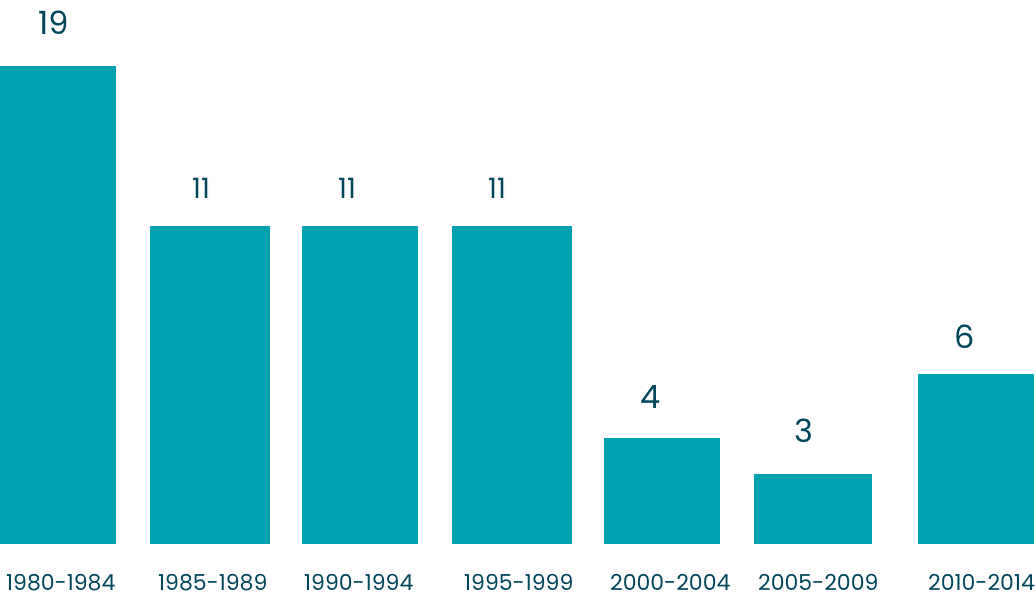
A Three Decade Decline In New Antibiotic Development
The number of new antibiotics developed and approved has decreased steadily over the past three decades, leaving fewer options to treat resistant bacteria.5
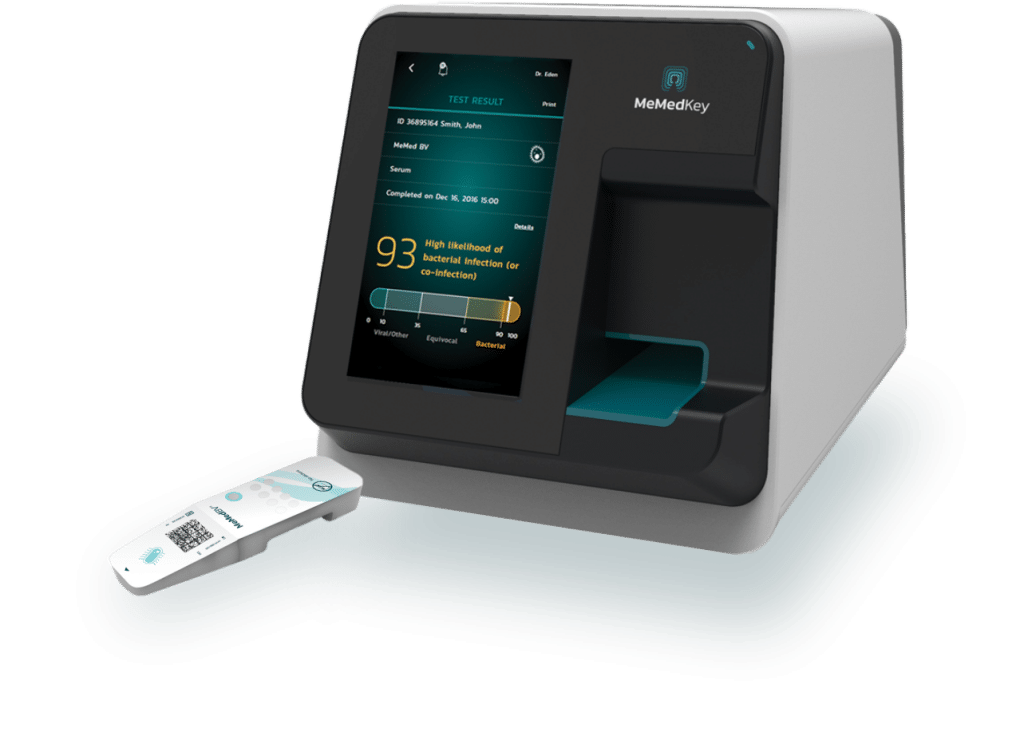
MeMed BV Can Help Fight AMR!
Accurately distinguishing between bacterial and viral infections, aiding physicians in making informed treatment decisions, including appropriate antibiotic use and the reduction of unnecessary prescriptions6,7,8
2. Thiruchelvi Pulingam et al, Antimicrobial resistance: Prevalence, economic burden, mechanisms of resistance and strategies to overcome,European Journal of Pharmaceutical Sciences. DOI: https://doi.org/10.1016/j.ejps.2021.106103.
9. GBD 2021 Antimicrobial Resistance Collaborators. Global burden of bacterial antimicrobial resistance 1990-2021: a systematic analysis with forecasts to 2050. The Lancet, Volume 404, Issue 10459, 1199 – 1226