
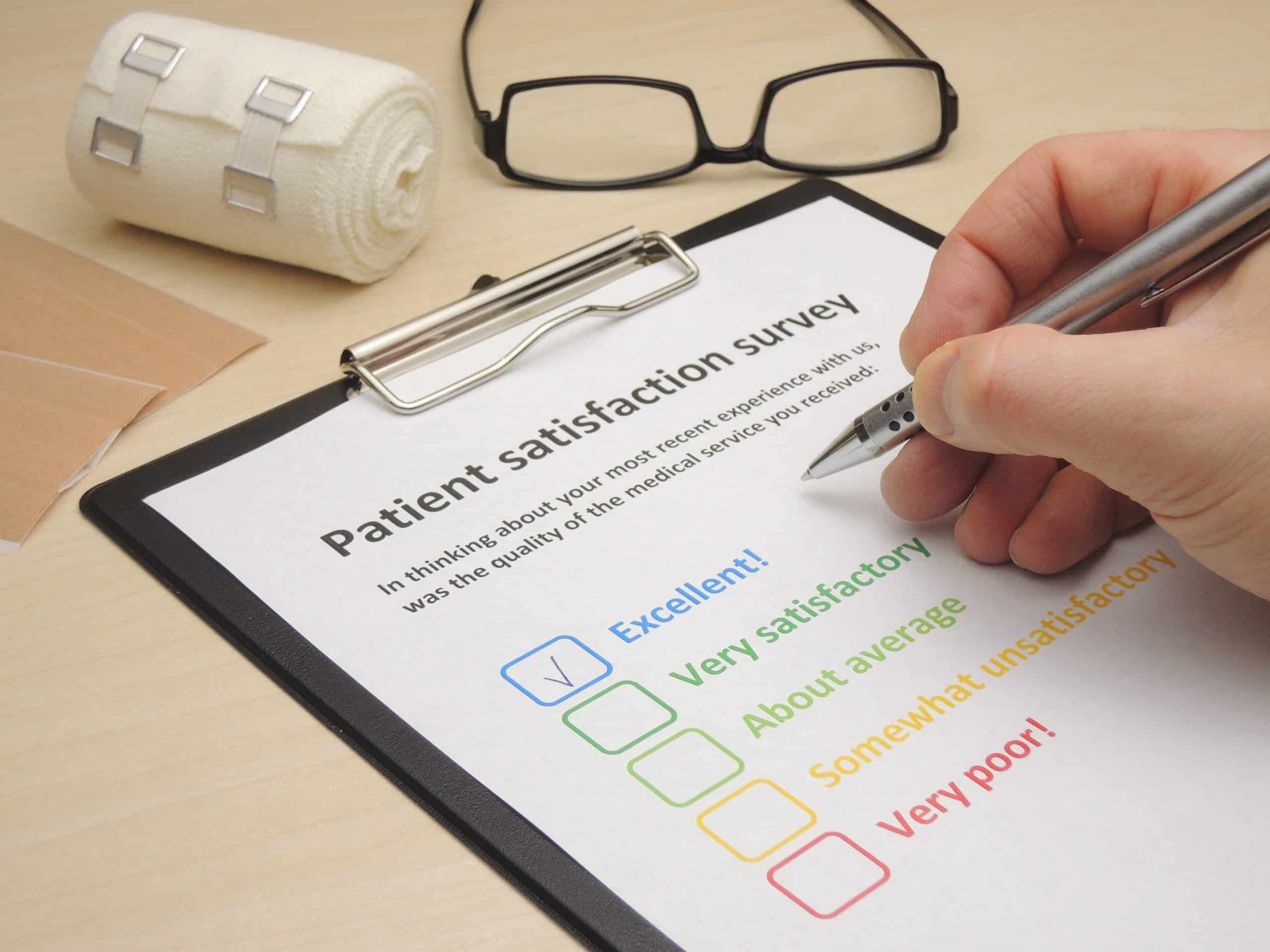
A few months ago, I found myself in the Emergency Department (ED) after my little boy had a minor injury. We waited a while, but when care finally came, it was professional and effective. Just as we were about to leave, a nurse handed me a patient satisfaction survey. It felt routine—another piece of paperwork. But as I read through it, I began to wonder: What impact do these surveys really have on the care we receive? And do they ever pressure doctors to prioritize satisfaction over sound medical decisions?
With that in mind, i took a deeper dive into the role of patient satisfaction surveys in EDs, and why they sometimes create tension between patient happiness and evidence-based care.
What are these surveys and where did they come from?
In the 1990s, surveys emerged as a way to quantify patient experiences. Initially, satisfaction surveys focused on comfort and courtesy. Over time, they evolved to include communication quality, timeliness, and clarity of treatment options. In 2006, the Centers for Medicare & Medicaid Services (CMS) introduced the Hospital Consumer Assessment of Healthcare Providers and Systems (HCAHPS)—now the most widely used survey tool in the U.S. The survey includes questions on how well providers communicated, the cleanliness and quietness of the hospital environment, responsiveness to patient needs, and more…
This evolution reflects a broader shift in healthcare: hospitals are now accountable not only for clinical outcomes but also for the patient experience. The surveys are so deeply embedded into hospital performance metrics and can even influence funding and reimbursements. While they aim to enhance accountability and improve care, they also raise important questions: Are they accurately capturing the complexity of the ED environment? And more importantly, are they driving the right kind of change in patient care?
The Problem: When Surveys Influence Decision-Making
While these surveys aim to enhance patient care, they sometimes create challenges for physicians in fast-paced environments like the ED:
- Pressure to Satisfy Patients Quickly: To improve scores, physicians may prioritize immediate patient happiness over long-term health outcomes. For example: to boost satisfaction scores, doctors may feel pressured to overprescribe medications, such as antibiotics or opioids. A study in BMJ even found that higher satisfaction scores were linked to increased prescription drug spending—highlighting this concerning trend1.
- Distorted Incentives: The American College of Emergency Physicians (ACEP) warns that linking satisfaction scores to financial metrics can distort priorities. Instead of focusing on clinical judgment, staff may feel pressured to prioritize ‘customer service’ factors—like friendliness and speed2
- Time Constraints: Surveys that emphasize wait times may inadvertently pressure physicians to expedite care, potentially compromising thorough evaluations. A systematic review in the Emergency Medicine Journal highlighted that perceived waiting times significantly influence patient satisfaction, which can impact clinical decisions.1
This dynamic can create tension between doing what is “right” medically and what is “popular” with patients.
Looking to the Future: Striking a Balance
While patient satisfaction is critical, it should not compromise medical decision-making. Achieving balance is essential to ensure that both satisfaction and medical care quality improve. Here are three strategic considerations for addressing the issue:
- Refine Survey Focus: Shift survey questions to measure the quality and clarity of care rather than superficial metrics like speed or convenience. For instance, ask patients if they understood their diagnosis and treatment plan instead of simply whether their wait was ‘too long.’
- Educate Patients: Increase public awareness of why evidence-based decisions sometimes take time and may not align with patient expectations.
- Evolve Policy: Modify reimbursement models to ensure physicians are rewarded for clinical outcomes, not just satisfaction scores.
Conclusion
Sitting in the ED, filling out that patient satisfaction survey, I had no idea how much influence those forms carry. While they’ve improved accountability and shed light on areas needing attention, they’ve also created challenges—sometimes pushing doctors to prioritize scores over evidence-based care.
The next time I complete one of those surveys, I’ll think about the meaningful care my family received and hope the system can balance satisfaction with smart, effective medical decisions.
References
- Taylor C, Benger JR, Patient satisfaction in emergency medicine Emergency Medicine Journal 2004;21:528-532.
- American College of Emergency Physicians. (2011). Patient satisfaction surveys: Ethical and operational considerations. Retrieved from https://www.acep.org
0 Comments